




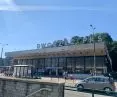

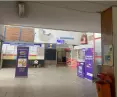
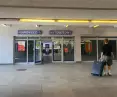
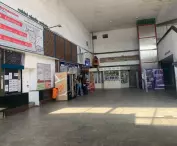

The preservation officer did not find the Gdańsk bus station to have any value that would justify placing it under protection. The modernist structure will not be added to the register of historic monuments. The developer plans to erect two new buildings on the site, separated by a plaza, and move the new bus station underground. However, defenders of postwar architecture are not giving up and have announced they will file an appeal.
The bus station building on 3 Maja Street in Gdańsk will not be saved from demolition, which the developer is planning. On September 1, the Pomeranian Provincial Conservator of Historic Monuments refused to enter the building into the register of historic monuments. The analyses conducted by the conservator were in response to a request from the Association for the Protection of Postwar Architecture in Bydgoszcz, which had petitioned for such an entry.
Conservator: The building lacks exceptional features
In the justification, the Pomeranian conservator acknowledges that the analysis of the historical, architectural, urban planning, and technical values of the PKS bus station building indicates that the structure is an interesting example of public utility architecture from the early 1970s.
Its value stems primarily from the functional and spatial design employed, the building’s connection to an extensive network of passageways, and the structure’s significance in shaping Gdańsk’s postwar transportation hub. Therefore, the building’s historical significance cannot be denied […]
— as stated in the justification signed by Dariusz Chmielewski, Pomeranian Provincial Conservator of Monuments.
The conservator stated that although the building’s architectural qualities should be considered valuable, they are“not distinctive enough to warrant individual inclusion in the register of historic monuments.”
The building is a representative example of late-modernist railway station architecture; however, its form does not exhibit any exceptional features compared to other transportation buildings of that period that would allow it to be considered a work of particular artistic or scientific value. The technical value of the building should be assessed similarly
— stated Dariusz Chmielewski.
The bus station is set to be relocated underground; the developer plans to build retail, service, and office spaces
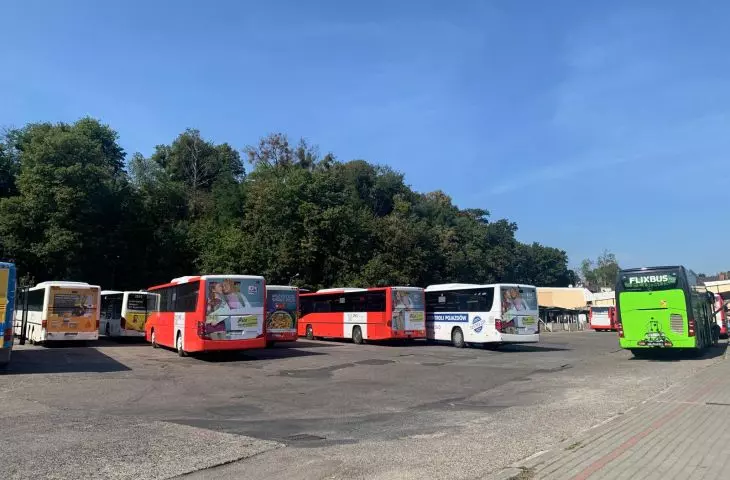
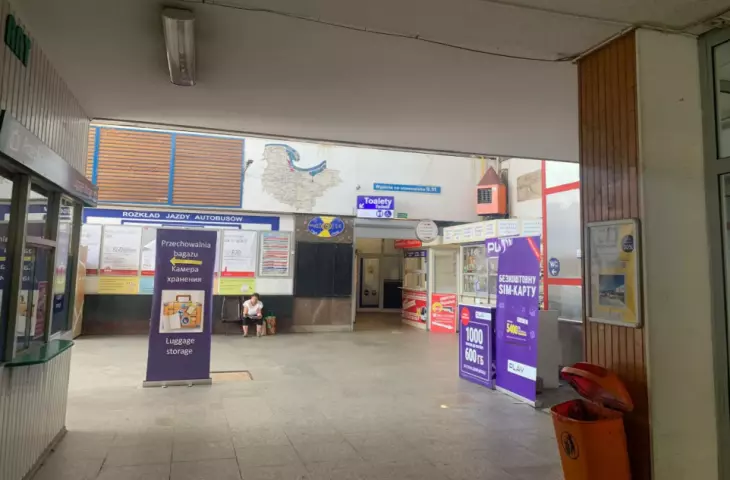
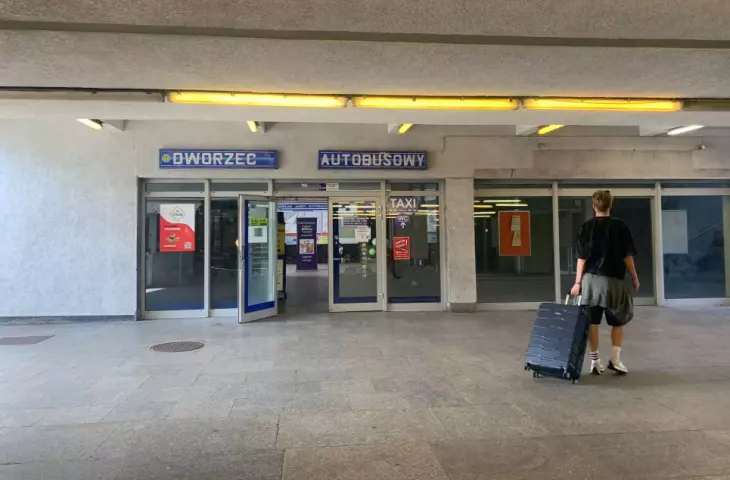
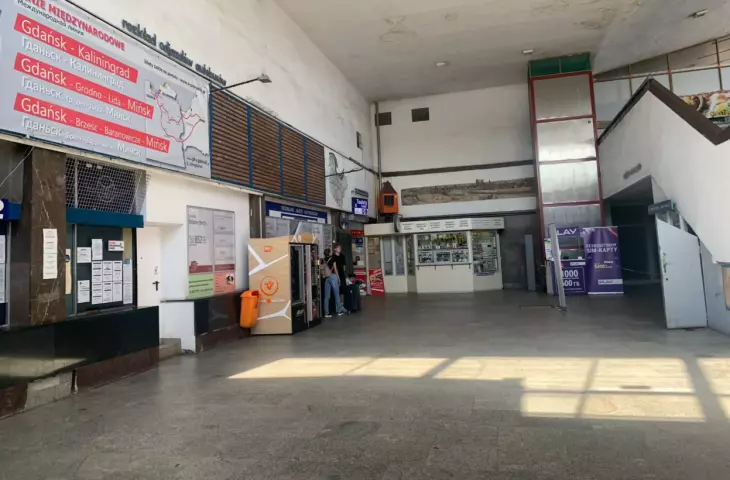
Although the bus station in Gdańsk is in terrible condition today, it remains one of the valuable examples of postwar functionalist modernism. It was built in the 1970s according to a design by Bernard Coft in collaboration with engineers Jan Szuca and Wiesław Pławiński. The official opening took place on March 18, 1973. The station building featured a lightweight structure, large glass surfaces, and a connection to the Gdańsk Główny railway station. In 1974, it even won an award from the Ministry of Construction and Building Materials. Cofta also designed the interior of the PKP station in Grudziądz — that building was successfully listed as a historic monument in 2021.
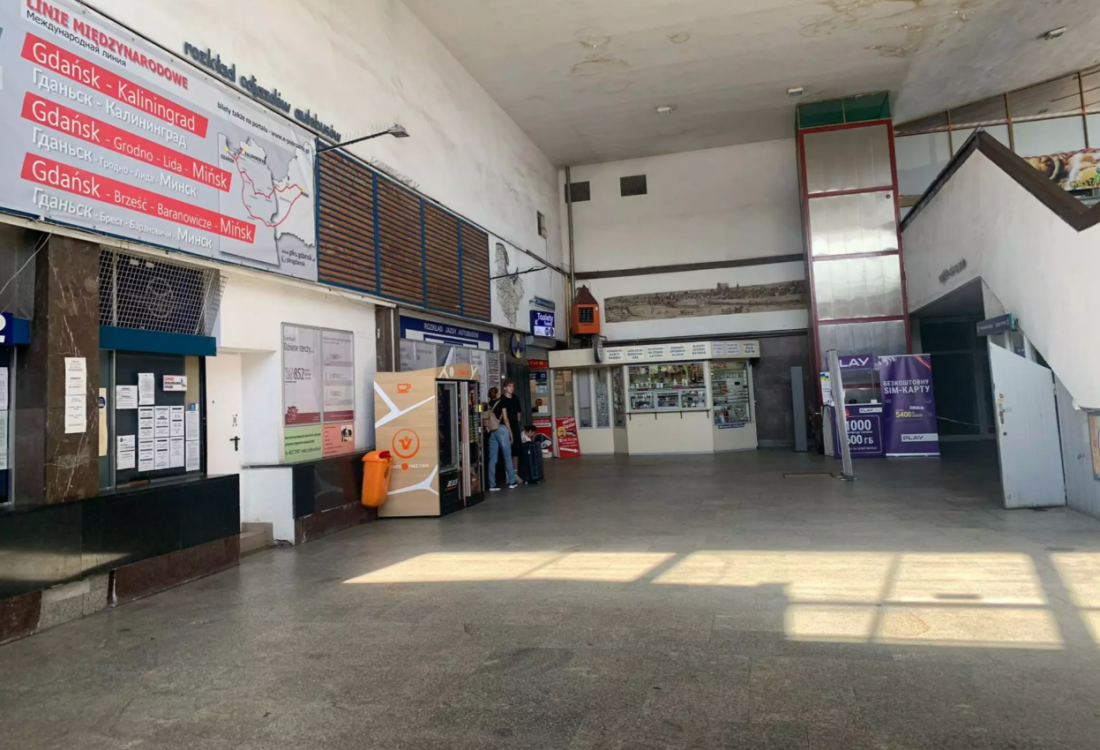
The bus station in Gdańsk is in terrible condition today
Photo: Ewa Karendys
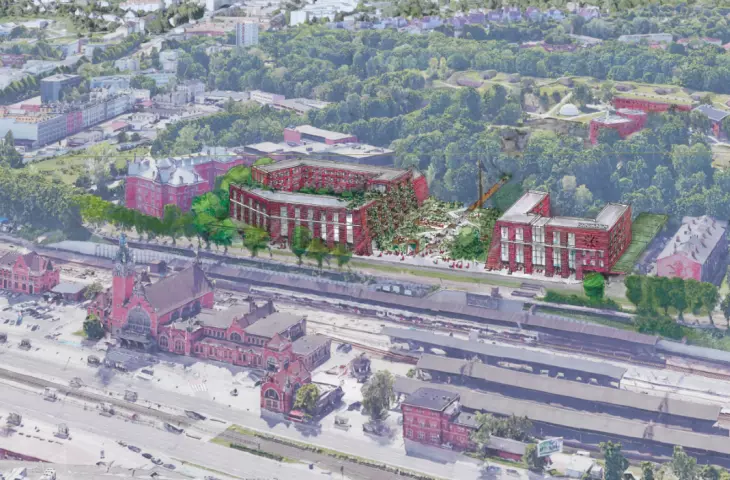
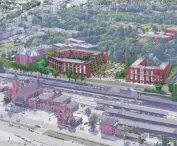
The Gdańsk bus station is now privately owned. In 2012, the site, along with the building, was purchased by Przedsiębiorstwo Budowlane Górski. Over the past few decades, the media has repeatedly highlighted the need to renovate the building. To no avail. The developer, however, has announced plans to move transportation functions underground and, on the site of the building designed by Cofta , construct office buildings, a new plaza, and commercial, office, and service facilities—including rental spaces. The design for the new development is being prepared by Studio Kwadrat, known for projects such as the Museum of the Second World War, Brabank, and the residential and commercial complex in Granaria on Granary Island.
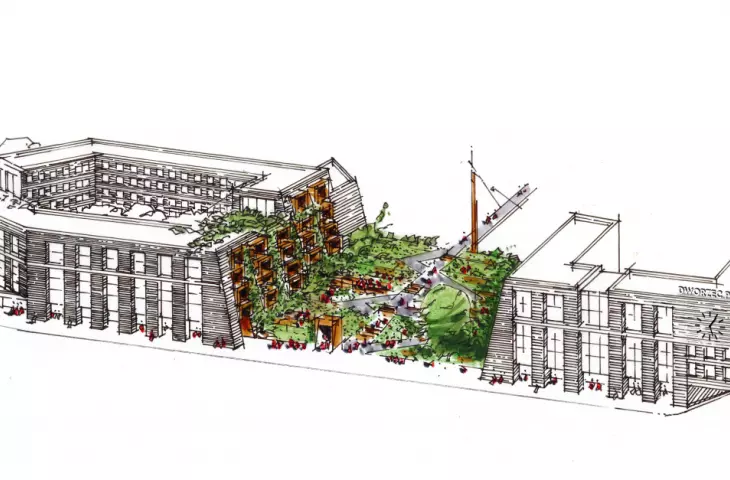
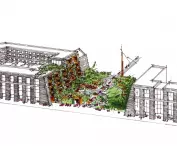
The new vision for the bus station calls for the construction of two new buildings separated by a plaza. The local zoning plan adopted in 2022 incorporated the developer’s vision, stipulating that the station’s area must not be less than 500 square meters.
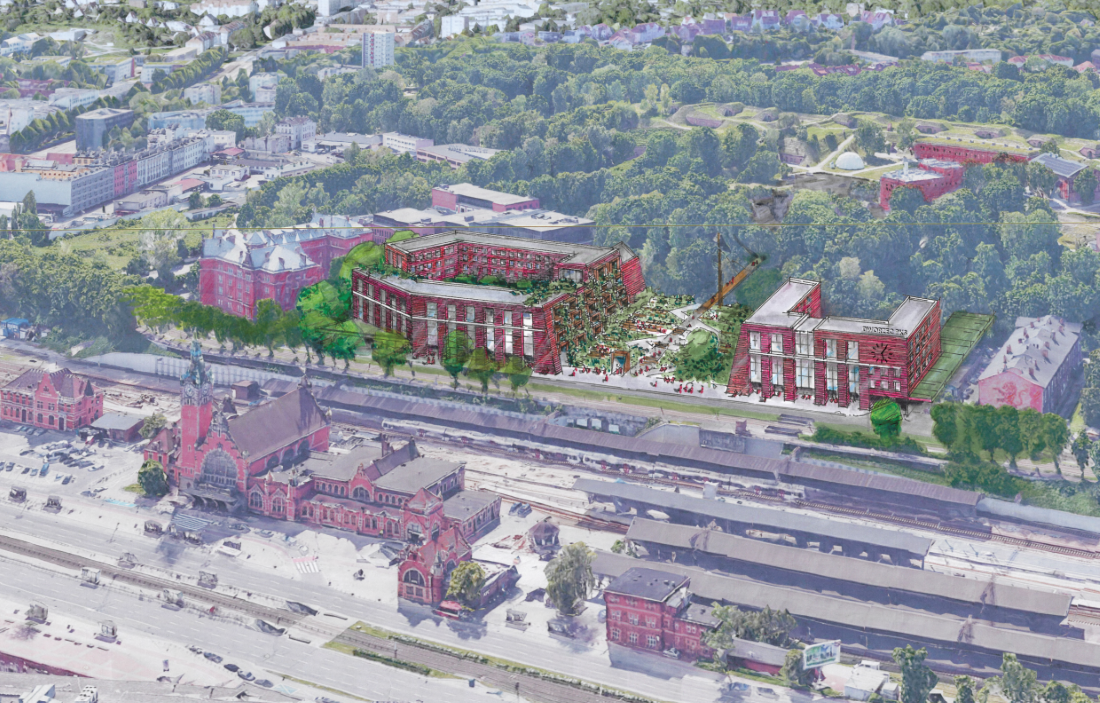
Concept for the new development at the site of the Gdańsk bus station
© Studio Kwadrat
“The plaza, which we designed as a meeting place, will also serve both passengers and residents,”
— announced Jacek Droszcz of Studio Kwadrat.
Station defenders: It doesn’t take much to make it look the way it should
However, the preservation officer’s decision does not completely settle the matter. The Association for the Preservation of Postwar Architecture has announced that it will appeal the preservation officer’s decision.
“The building is a distinctive and excellent example of Polish transportation architecture. Many original elements from the time of its construction have been preserved, including the original lettering and interesting ceiling paneling
— explains Jan Trojan, president of the Civic Association for the Preservation of Postwar Architecture, in an interview with Gazeta Wyborcza Trójmiasto.
Jędrzej Włodarczyk, who back in 2025 initiated a petition in defense of the station—which was signed by over 740 people —believes that“the building is valuable, especially in light of the destruction of similar modernist structures in Gdańsk and the proposed alternative.”
I understand the developer’s interest—he wants to make a profit. I also understand, to some extent, the limitations of local politicians, for whom, for decades, chaotic development was equated blindly with urban growth. I mean, how can that be? Setting conditions for a developer? As for the residents’ opinions, I know most are probably against it, but I’ll urge them to let their imaginations run wild. Let’s not just follow the herd. This building is dilapidated, and that’s why it looks the way it does. It wouldn’t take much to make it look the way it should
— notes Jędrzej Włodarczyk.
Natalia Balcerzak, president of SARP Wybrzeże, also accepted the decision not to place the bus station building under conservation protection with regret and disappointment.
“I believe that its architectural value and significance for the history of modern Gdańsk deserve further reflection and a substantive discussion on the appropriate form of protection for this structure
— Natalia Balcerzak commented to A&B.
It seems, however, that the city has no such qualms. Piotr Borawski, Gdańsk’s vice mayor for mobility and safety, wrote on social media that the refusal to grant protected status was the right decision.
“I hope that, as a result, the private owner of the property will finally begin the long-awaited redevelopment of this site,”
— he concluded.
The Demise of Postwar Modernism
Among those advocating for the preservation of the station is Prof. Jacek Friedrich, an art historian at the University of Gdańsk.
“This is truly elegant architecture that captures the spirit of the times very well. Unfortunately, there are fewer and fewer historic buildings of this type: in Gdańsk, the slaughter of postwar modernism has been going on for over a quarter of a century,”
— noted Prof. Friedrich.
He added that he is not surprised by the public’s lack of awareness of the value of modernist architecture.
Even the finest modernist buildings are not being renovated, are neglected, or are obscured by hideous advertisements. It would be enough to clear the building of later additions to see that this simple, unpretentious architecture is already part of our cultural heritage today—a heritage that is finally worth systematically protecting
— Prof. Friedrich emphasized.
In December, the company PB Górski submitted an application to the Gdańsk City Hall for the construction of a complex consisting of two buildings, including a bus terminal, and for the demolition of the existing terminal, including its stops and maneuvering area.
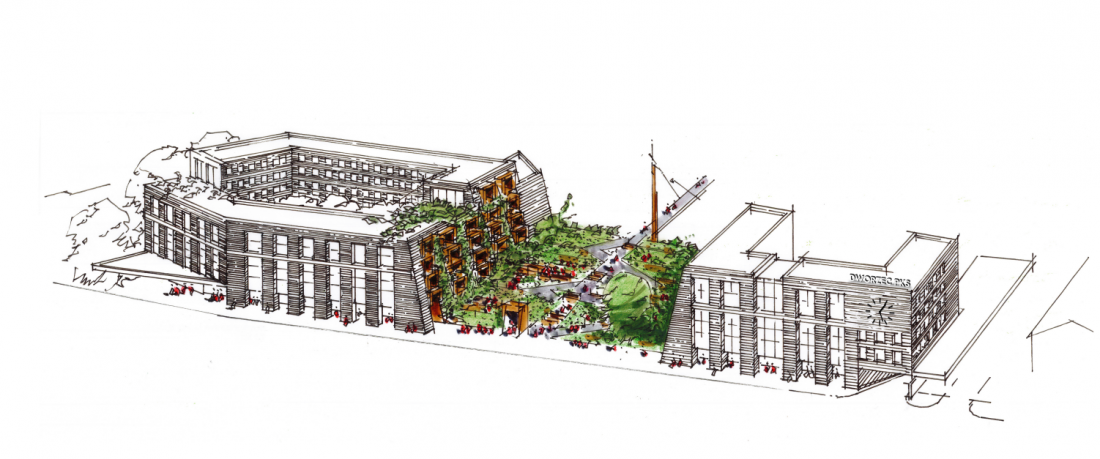
The development concept calls for two buildings separated by a plaza
© Studio Kwadrat